

In today’s healthcare and clinical research landscape, remote monitoring is pivotal. Through digital technologies and telemedicine, it’s possible to remotely oversee patients’ clinical status, ensuring continuous and reliable clinical monitoring.
This innovation not only enhances the efficiency of clinical processes but also empowers healthcare professionals with more accurate management of vital signs, offering benefits to both patients and the professionals themselves.
What is Remote Monitoring?
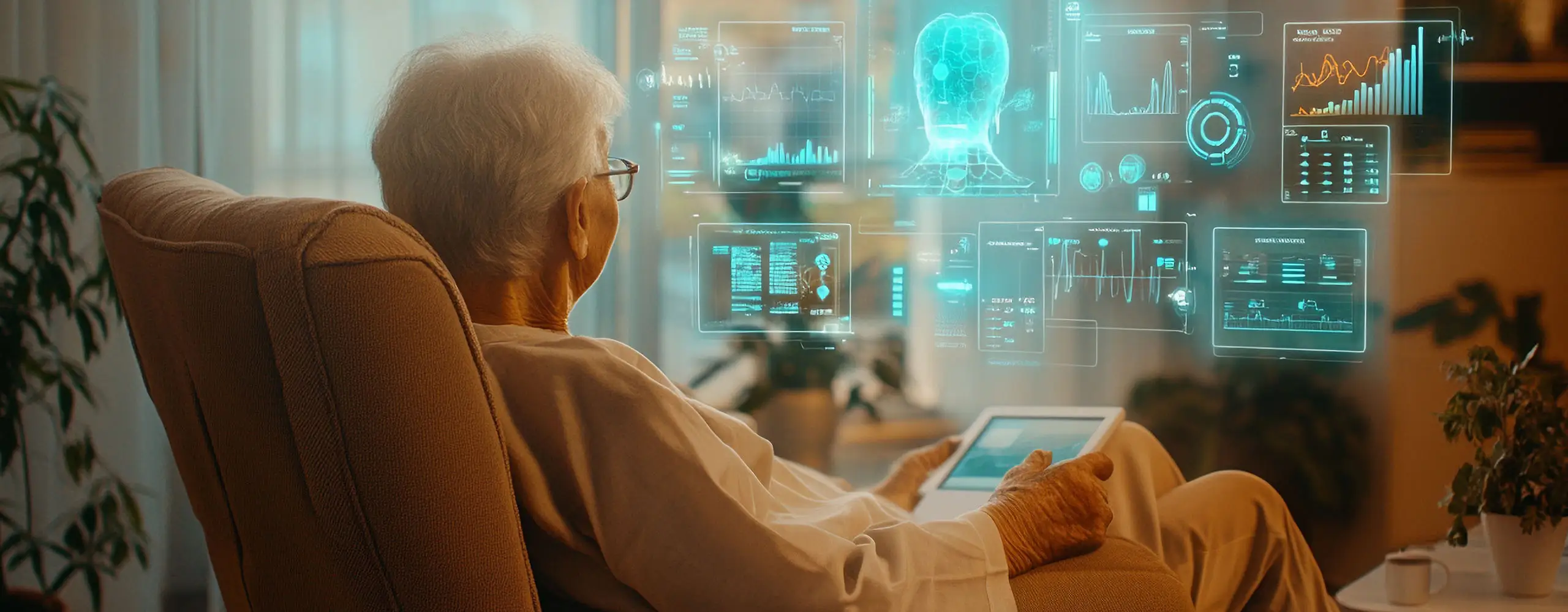
Remote monitoring involves using digital technologies and platforms to collect, analyze, and manage clinical data in real-time, eliminating the need for patients to be physically present in hospitals or care centres.
- It’s defined as the remote monitoring of clinical status, utilizing medical monitoring devices that transmit vital signs information (blood pressure, heart rate, oxygen saturation, etc.) directly to medical personnel.
- This approach aligns with the concept of telemedicine, which enables diagnosis, treatment, and follow-up of patients through digital tools, improving accessibility and timeliness of care.
Benefits of Remote Monitoring
Adopting remote monitoring brings numerous advantages, including:
- Operational Efficiency: automating data collection and analysis reduces the time and costs associated with traditional clinical checks.
- Improved Vital Signs Management: medical monitoring devices and digital platforms enable timely detection of any anomalies in vital signs, allowing for immediate intervention.
- Remote Clinical Status Monitoring: remote monitoring systems can continuously track a patient’s clinical progress, enhancing follow-up quality and personalizing treatments.
- Reduced Infection Risk: particularly during pandemics or for immunocompromised patients, reducing in-person visits minimizes exposure to pathogens, providing a sense of relief and security to patients.
- Increased Accessibility: remote clinical monitoring overcomes geographical barriers, making care accessible even in rural areas or regions with limited access to healthcare facilities, providing patients with a sense of comfort and ease.
Technologies and Devices for Remote Monitoring
The effectiveness of remote monitoring relies on the integration of various technologies:
- Medical Monitoring Devices: Wearable sensors, smartwatches, and other tools that collect data on vital signs.
- Digital Platforms: Software systems that facilitate the collection, analysis, and real-time visualization of clinical data, enhancing communication between patients and doctors.
- Telemedicine Solutions: These are tools for managing remote consultations, essential for monitoring clinical status and supporting decision-making.
The Importance of Remote Monitoring in Public Health
According to the Ministry of Health, telemedicine and remote monitoring are fundamental pillars for the future of eHealth in Italy. These technologies:
- Promote more effective management of clinical data, improving the quality of healthcare services.
- Enable rapid intervention in emergencies, contributing to excellent patient safety.
- Support an integrated and personalized care model, aligning with the needs of modern medicine.
Remote monitoring stands as a revolutionary element in the realm of clinical research and healthcare. Through advanced devices and digital platforms, monitoring patients remotely with precision and timeliness is possible, enhancing care efficiency and clinical data management.
If your organization aims to innovate clinical data management and enhance remote patient monitoring, contact ACTide to explore cutting-edge digital solutions supporting your transition to an effective remote monitoring model.